Leachable Lead and Cadmium Migration Test for Ceramicwares
Based on 84/500/EEC & 2005/31/EC, our experts can ensure that your ceramicware is safe for use against hazardous chemicals.


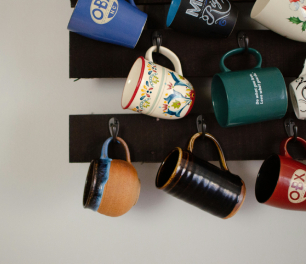
Heavy metals such as lead and cadmium are historically common in the glazes, decorations, and structural compositions of tableware, ceramic dinnerware, glassware, and enamel coatings. When these products come into contact with acidic foods or beverages, these toxic elements can leach out, posing significant long-term neurotoxic and systemic health risks to consumers.
Test Details:
| Test Item | Leachable Lead & Cadmium |
| Regulation | 84/500/EEC & 2005/31/EC |
| # of Samples Required | 4 Identical Pieces |
| Lead Time | 7 Working Days |
Optional Performance Tests:
| Test Item | Regulation | # of Samples Required | Lead Time |
| Thermal Shock & Thermal Endurance Test | EN 1183:1997 | 11 Pieces (1 piece for control) | 5 - 7 working days |
| Impact Resistance of Ceramicware, Glassware & Glass Ceramicware (Rim Only) | EN 12980:2000 | 10 Pieces | 5 - 7 working days |
| Resistance to Microwave Heating of Ceramic, Glass, Glass-Ceramic or Plastic Cookware | EN 15284:2007 | 4 Pieces (1 piece for control) | 5 - 7 working days |
| Mechanical Dishwashing Resistance of Utensils for Domestic Articles (125 Cycles) | EN 12875-1:2005 | 4 Pieces (1 piece for control) | 14 Working Days |
Why are Lead and Cadmium commonly found in tableware, and what makes them so hazardous to human health?
Lead and Cadmium are often used in industrial pigments, glazes, and decorations to give ceramic and glassware vibrant colors, smooth finishes, or durability. The hazard arises because both are highly toxic heavy metals that accumulate in the body over time.
- Lead is a potent neurotoxin that can damage the central nervous system, particularly hindering neurological development in children.
- Cadmium is a known carcinogen that primarily damages kidney function and disrupts calcium absorption, increasing the risk of bone density issues.
Why is ceramicware particularly prone to heavy metal leaching, and how do I know if my mugs or bowls are safe?
Ceramics become a risk when the colorful glazes or decorative paints applied to them are not properly formulated or are fired at insufficient temperatures, leaving the heavy metals chemically unstable. To ensure safety, look for explicit labels indicating compliance with global standards (such as FDA, EU, or ISO certifications) or markings like "Food Safe." As a general rule, avoid using tableware with bright, textured decorations on the inner surfaces or along the top rim where your lips make direct contact.
How do SGS Chemical Analysis services help businesses manage compliance and supply chain risks for Food Contact Materials?
Navigating the complex web of global regulations can be a massive challenge for brands and manufacturers. SGS Chemical Analysis services provide a comprehensive shield by offering:
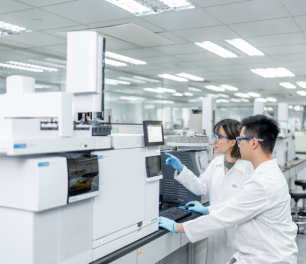
- Advanced Migration Testing: We utilize state-of-the-art laboratory testing to simulate real-world product usage—such as high-temperature microwave exposure and prolonged contact with acidic or fatty foods—ensuring your products don't leach harmful substances.
- Supply Chain De-risking: We audit manufacturing facilities and verify the chemical safety of raw materials (like glazes and pigments) at the source, preventing costly product recalls and brand damage before your goods ever reach retail shelves.
- Global Market Access: Our global network of experts helps you seamlessly verify compliance across different target markets, translating complex regulatory updates into actionable manufacturing requirements so you can launch products with total confidence.
Related Service