Market Surveillance Series: Navigating the High-Risk Blur of Kids' "Toy Makeup"
2026.06.05


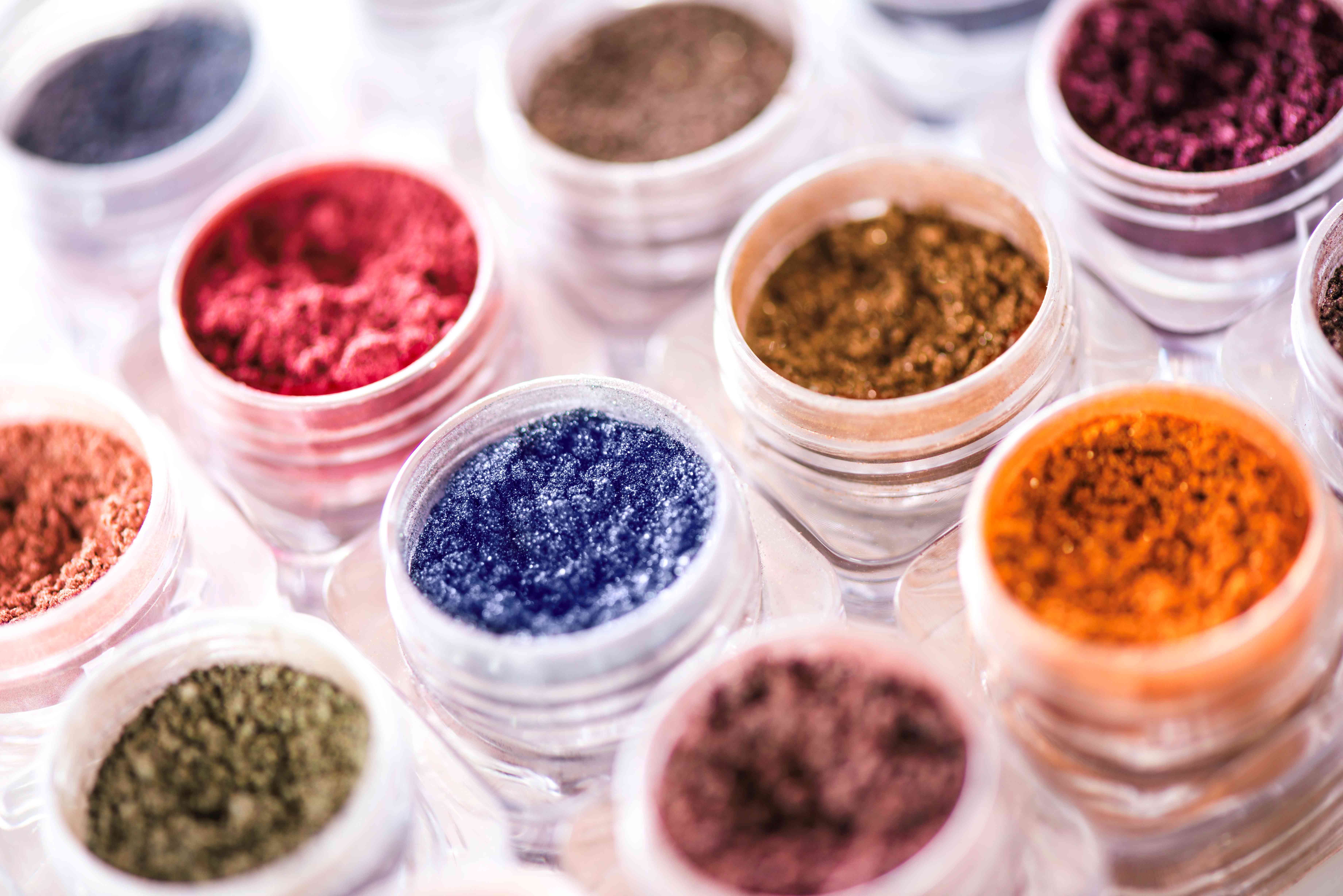
Every year, beautifully packaged, colorful pretend-makeup sets flood the market. They feature whimsical packaging, popular cartoon characters, and reassuring claims like "non-toxic," "water-based," or "safe for kids."
But a major grey area exists under that sparkling exterior. A recent market surveillance report highlighted a rising global concern: children’s toy makeup sets are frequently recalled across the EU and international markets due to severe chemical hazards. For parents, it's a potential skincare nightmare for their children's developing skin barriers. For brands, manufacturers, and retailers, it is a regulatory minefield where a single classification error can lead to forced recalls, hefty fines, and catastrophic brand damage.
Deconstructing the Market: The 3 Risk Categories
The report identifies three major product categories that confuse consumers and regulators due to their overlapping nature:
- Imitation Makeup Toys: Fake makeup (such as lipsticks or palettes) meant strictly as drawing pigments for paper. The main risk is that children often apply them to their faces anyway, causing contact dermatitis from industrial colorants or heavy metals.
- Cosmetics with Play Value: Dual-purpose items intended for human skin but sold as fun play sets. These carry high risks from sensitizing fragrances, heavy preservatives, or non-compliant colorants, requiring compliance with both toy and cosmetic laws.
- Toys-Only Cosmetics: Makeup formulated exclusively for plastic dolls or toys. They present high accidental exposure risks (ingestion, inhalation, or skin absorption) if children use them on themselves while unmonitored.
The Core Danger: Chemical Formulation Pitfalls
Because children have thinner skin barriers and developing metabolisms, exposure to unauthorized colorants, heavy metals, or harsh preservatives can prompt immediate allergic reactions or long-term systemic toxicity.
The report strongly urges manufacturers to adopt a "minimalist formulation principle" — slashing or eliminating unnecessary fragrances, harsh colorants, and heavy preservatives. Furthermore, clear bilingual (Chinese/English) labeling detailing age suitability, full ingredient lists, expiration metrics (including Period After Opening - PAO), and precise anatomical usage constraints (e.g., Do not apply around the eye area) are no longer optional—they are critical lines of defense.
Navigating the Dual-Regulatory Maze: How SGS Can Help
If your company manufactures, imports, or retails children's products, the line between a "toy" and a "cosmetic" dictates your entire testing roadmap. Failing to comply with the correct regional jurisdiction can halt your supply chain instantly.
As a global leader in testing, inspection, and certification, SGS provides comprehensive, end-to-end solutions to help businesses confidently navigate these complex boundaries:
- Product Classification & Regulatory Advisory
- Unsure if your product is a toy, a cosmetic, or both? SGS regulatory experts evaluate your product design, marketing intent, and packaging to correctly classify your merchandise against local laws, preventing costly missteps before production even begins.
- Comprehensive Chemical & Safety Testing
- SGS operates state-of-the-art laboratories equipped to test products against stringent international frameworks, including:
- Toy Standards: Hong Kong's Toys and Children's Products Safety Ordinance, Europe's EN 71, and US ASTM F963.
- Cosmetic Regulations: Mainland China's Safety and Technical Standards for Cosmetics, EU Cosmetic Regulation (EC) No 1223/2009, and the US MoCRA.
- Restricted Substances: Rigorous screening for heavy metals, restricted phthalates, formaldehyde, and high-risk preservatives.
- SGS operates state-of-the-art laboratories equipped to test products against stringent international frameworks, including:
- Toxicological & Product Safety Assessments (TRA / CPSR)
- For dual-nature items applied directly to skin, SGS toxicologists conduct detailed Toxicological Risk Assessments (TRA) and Cosmetic Product Safety Reports (CPSR) to verify that the formulation is completely safe for a child’s delicate physiology.
- Labeling & Art Review
- SGS reviews your packaging artwork and text to guarantee strict compliance with bilingual mandates, proper ingredient naming conventions (INCI), allergen declarations, and necessary safety warning placements.
By partnering with SGS, brands can transform regulatory compliance from a burdensome hurdle into a competitive advantage—ensuring that children's playtime remains safe, joyful, and completely risk-free.
For more information, please contact us and subscribe to TIC Mall for more.


Related Service