Food Contact Materials Testing for Silicone Containers
Based on legislation from the European Union (ie. EN 1186) and Germany (ie. LFGB Section 30 and BfR Recommendation IX), our experts can ensure that your siliconeware is safe from hazardous chemicals.


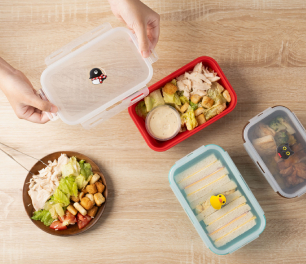
We’ve all been there: you tuck a neatly collapsed silicone lunch box into your bag, feeling great about skipping single-use plastics for the day. But while these trendy, space-saving containers have become the poster children for eco-friendly living, a troubling new safety report suggests our green habits might be carrying a hidden cost. Consumer watchdogs recently put these viral travel cups and folding bowls to the test, and the chemical findings are a stark reminder that what’s good for the planet isn't automatically safe for our bodies.
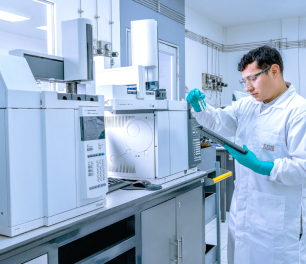
At SGS, our professional testing services ensure your silicone foodware undergoes rigorous chemical and durability screening to eliminate toxic volatiles and confidently meet global safety standards.
Test Package Includes:
| Test Item | Standard (Method) |
| Sensory Test (Whole product) | DIN 10955 (LFGB 31) |
| Visible Color Migration in Water, 10% Ethanol, 2% Acetic acid & Coconut oil | LFGB section 30 and BfR recommendation IX |
| Total Lead & Cadmium Content | LFGB section 30 and Regulation (EU) No 10/2011 |
| Total Platinum Content | LFGB section 30 |
| PAHs Content | AfPS GS 2019:01 PAK |
| Volatile Organic Matter | LFGB section 30 |
| Bisphenols (BPA, BPS, BPF, 4,4'-Isobutylethylidenediphenol, Phenolphthalein, BPAF, TBBPA) Content | |
| Overall Migration in 3% Acetic acid | Council of Europe Resolution AP (2004) 5 (EN 1186) |
| Overall Migration in 10% Ethanol | Council of Europe Resolution AP (2004) 5 (EN 1186) |
| Overall Migration in Rectified Olive Oil | Council of Europe Resolution AP (2004) 5 (EN 1186) |
Performance Package:
| Test Item | Test Method | # of Samples Required | Lead Time |
| Workmanship | Visual Check | 1 Piece | 7 working days |
| Sharp Points and Edges | EN 71-1 | ||
| Dimensions, Weight, Capacity | Standard Measure | ||
| Durability | SGS in-house method | ||
| Stability Test | SGS in-house method | ||
| Drop Test | SGS in-house method | ||
| Leakage Test | SGS in-house method | ||
| Resistance to Stain | SGS in-house method | 2 Pieces (1 piece for control) |
Additional Performance Test:
| Test Item | Test Method | # of Samples Required | Lead Time |
| Handwashing Test (If dishwasher is not applicable) | SGS in-house method | 2 Pieces (1 piece for control) | 7 working days |
Claim Verifications:
| Test Item | Test Method | # of Samples Required | Lead Time |
| Dishwashing Test (125 cycles) | EN 12875-1 | 4 Pieces (1 piece for control) | 14 working days |
| Microwave Safe Test | EN 15284 | 7 working days | |
| Freezer Safe Test | SGS in-house method | 2 Pieces (1 piece for control) | |
| Oven Safe Test | SGS in-house method |
What exactly are the "volatile organic compounds" found in these silicone containers?
The primary volatile compounds found are siloxanes, which are chemical byproducts left over from the silicone manufacturing process. If the silicone isn't heated and cured properly during production, these residual chemicals stay trapped in the material and can later evaporate or leach into your food and drinks.
Is it safe to continue using my current collapsible silicone lunch box or cup?
It depends on the quality, but as a precaution, avoid using them for high-heat applications (like heavy microwaving) or storing highly fatty or acidic foods, as these conditions accelerate chemical leaching. If your container has a strong, persistent chemical smell or plastic taste, it is best to stop using it for food or beverages entirely.
Why do some silicone containers stain and smell like food even after washing?
Silicone is a naturally porous material at a microscopic level. When exposed to highly pigmented or pungent ingredients—like curry, tomato sauce, or garlic—the oils and pigments can penetrate deep into the material's surface, making the stains and odors incredibly difficult to remove with standard dish soap.
How can foodware manufacturers ensure their silicone products don't exceed safety limits?
Manufacturers must ensure their products undergo a strict process called post-curing, which involves baking the finished silicone in an industrial oven at high temperatures for several hours. This vital step safely burns off the hazardous volatile organic matter before the items are packaged and sold.
How do SGS Food Contact Materials, Performance, and Verification Claim services help businesses stand out in a competitive market?
To legally and safely sell silicone foodware globally, products should be tested against international food-contact material regulations. The most critical benchmarks include Germany's LFGB (which has strict limits on volatile organic matter), the European Union's Framework Regulation (EC) No 1935/2004, and the United States' FDA standards.
Moreover, our experts evaluate fitness-for-use to back up functional marketing claims like "Food Safe" or "Dishwasher Safe." Once verified, businesses can provide transparent, data-backed proof of performance that builds instant consumer trust, minimizes the risk of costly product recalls, and sets eco-friendly brands apart from competitors on crowded retail shelves.
相关服务